


How To Start Undergraduate Research
- Grace Lykins
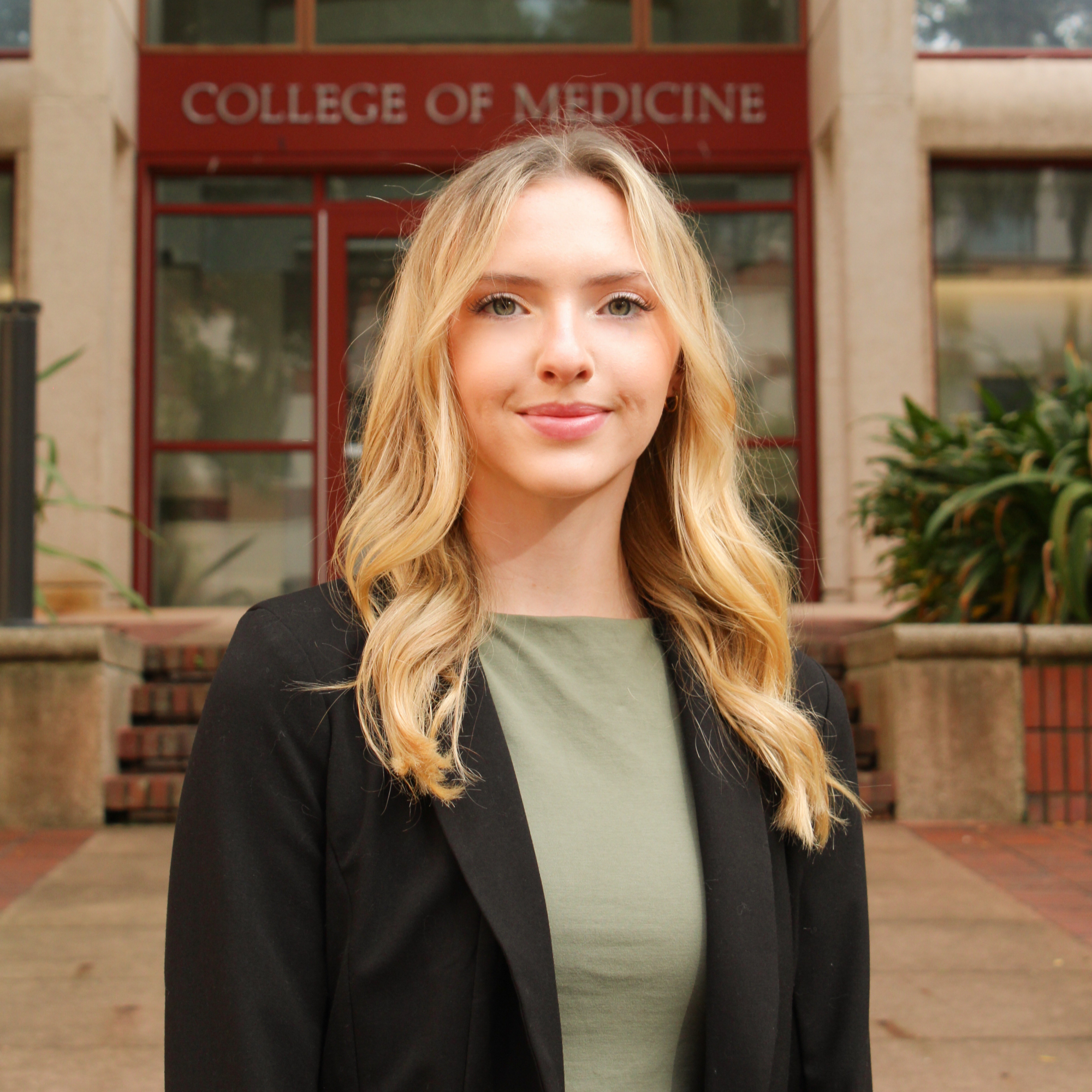
- Dec 11, 2025
- 2 min read

Written by: Grace Lykins
Position, Member Since: General Member, Joined Spring 2025
Major & Track: Biochemistry, Pre-Med
Current Year: 2nd Year
Some of the biggest opportunities in college begin with small choices. My journey into the University Scholars Program at the University of Florida started with something simple: staying after class to speak with a professor whose teaching genuinely inspired me. At the time, I was not entirely sure how students were supposed to get involved in research, but I knew I wanted to be part of it. Instead of walking out of the room with everyone else, I approached her and shared my interest. That single moment ended up shaping the rest of my academic experience.
Before this, research felt like something distant and reserved for people who already had everything figured out. I cared deeply about topics connected to women’s studies, equity, and the experiences of individuals navigating complex systems within healthcare. What I did not know was how to begin turning those interests into a real, structured project. All I had was curiosity and a desire to contribute to something meaningful.
The University Scholars Program provided the perfect path forward. USP is UF’s signature undergraduate research initiative, and it gives students the chance to work closely with a faculty mentor throughout an entire academic year. Participants come from every major across the university. The program makes research accessible by helping students shape their ideas into projects that are both rigorous and personally significant. It transforms research from something theoretical into something active and impactful.
Joining USP allowed me to explore questions related to women’s health and the ways people experience healthcare environments. For the first time, I was not simply reading about important issues in class. I was developing research questions of my own, analyzing information, organizing findings, and learning how each decision in the research process influences the final outcome. It felt empowering to contribute to an area I care about while also building skills that will stay with me long after graduation.

However, what I value most from USP is the growth that came with the experience. Research involves moments of uncertainty, slow progress, and the need to rethink ideas that seemed clear at first. Being part of the program taught me how to navigate those challenges with patience. It taught me how to advocate for my perspective, how to accept guidance from a mentor, and how to keep moving even when the next step did not feel obvious. The confidence I gained has shaped every part of my academic life.
What still surprises me is that all of this began with a simple choice to speak up about what I wanted. There was no perfect plan or special preparation. There was only curiosity and the willingness to take initiative.
If you are thinking about getting involved in research at UF, consider this encouragement. You do not need to have every detail planned out. You just need an interest, a bit of initiative, and the courage to take the first step. That small moment can lead you somewhere much bigger than you expect.



Comments